
What is the problem with flooding in fields?
The Eastern Shore grows 36% of Virginia’s high-value vegetable crops. Flooding from the ocean and Bayside increases saltiness in the water and wetness in the soil. Crops need air around their roots to grow, and standing water for more than a day can damage crops like corn and soybeans. If that water is salty, plants can dehydrate and die. Farmers may not be able to plant parts of their fields if flooding happens more often.
What causes flooded fields?
Groundwater levels, drainage ditches, and tidal creeks all affect farmland flooding.
The groundwater level is the point you can dig to before the ground is consistently wet. This level changes between the winter and summer. In the summer, the ground is like a dry sponge and can soak up water easily, so the groundwater level is far from the surface. In the winter or when it’s been rainy, the soil sponge gets full quickly, so water stays closer to the surface and drains slowly.
On the Eastern Shore, tidal creeks are creeks that carry fresh water into the Chesapeake Bay or the Atlantic Ocean. Around tidal creeks, the water in the ground is closer to the surface.
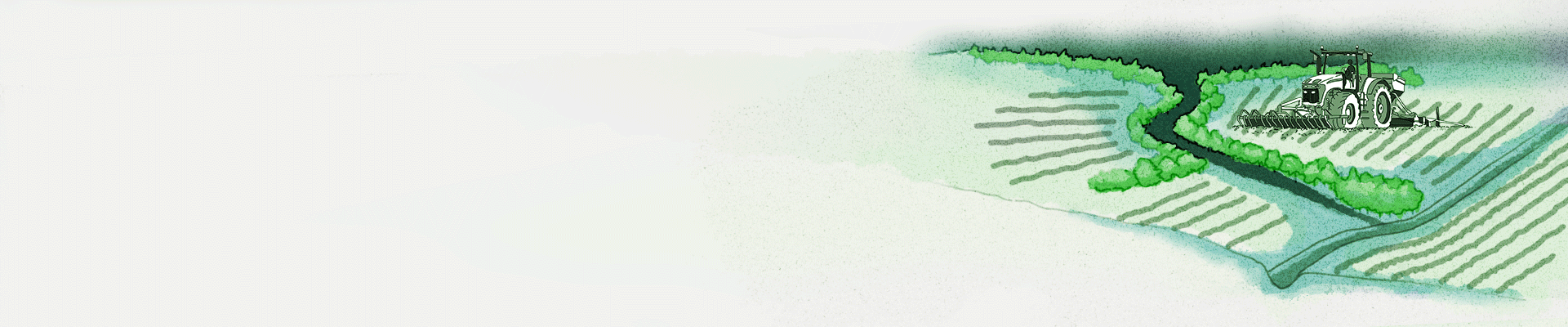
Some farm fields have drainage ditches that run into creeks. When it rains, the ditches carry water from the fields to the creeks so the crops don’t drown. But even though the creek usually flows away from land, water can also flow back onto land during storms or high tides. When a tidal creek floods, salty water from the ocean can mix with creek water, travel back up drainage ditches, and spill out over farmland. Farm areas close to the ditches are most likely to be flooded, especially if the underground water level is often close to the surface. In tests with soybeans, even a couple inches higher of elevation can mean the crop’s survival around saltwater.
What does this mean for the future?
By 2050, 4,573 acres of farmland may be within a zone that gets four feet of storm surge. Tidal creeks will flood more with high storm surge, which will lead to more flooding in farm fields. Without preparation, this could cause crop loss, increased topsoil erosion and loss of farmland to species like the invasive common reed Phragmites australis.
By 2075, the Eastern Shore is likely to face longer dry periods followed by sudden, intense rain and storms. When the soil has been dry for a while, it cracks and gets hard. The next time it rains, the water is more likely to flow off the hard surface than to sink in, which increases flooding risk.
What can be done?
Some farmers on the Eastern Shore are figuring out how to fill or redirect ditches that let in flood water. Drainage tiles, or underground pipes, are another tool farmers use to drain their fields quickly.
If farmers have non-floodplain wet areas on their property, the Farm Service Agency funds converting these fields into conservation wetlands. Find out if your property is eligible for the Farmable Wetlands Program.
Wetland grasses native to the Coastal Plain can also help absorb water. Plant them in and along ditches to reduce erosion. If they grow tall, their long roots will soak up more water. Some suitable grasses that also provide important pollinator and bird habitat are bushy bluestem (Andropogon glomeratus), Virginia wild rye (Elymus virginicus), switchgrass (Panicum virgatum), and woolgrass (Scirpus cyperinus).
Residents with frequently flooded yards can also replace short lawns with tall native grasses, plant them in ditches, or install rain gardens to capture runoff. The Virginia Conservation Assistance Program provides grants for lawn replacement and rain garden installations. Find out more at https://vaswcd.org/landowner-vcap-landing/.
Livability Tool research
The science team researched the groundwater depth and soil saturation across the Eastern Shore to find agricultural areas that may need extra help to prevent flooding in the future. This data will be included in the interactive Livability Tool.
Resources
Farming references
The Impact of Erosion, Subsidence, and Saltwater Intrusion on Eastern Shore Farmland
When Saltwater Reaches the Fields, What Crops Still Work? University of Delaware
Agricultural Drainage Bulletin Michigan State Extension
Factors When Considering an Agricultural Drainage System Virginia Tech
Native planting resources and grant assistance
Virginia Conservation Grant Assistance Program
Native Plants for Virginia’s Eastern Shore
Guide to Native Plants for Conservation, Restoration, and Landscaping Virginia Coastal Plain